Rescue is sometimes described as a single dramatic moment: a dog is found, brought somewhere safe, and everything changes. In reality, that moment may be only the beginning.
For dogs who have experienced prolonged uncertainty, poor care, or limited positive interaction with people, physical safety does not automatically create emotional confidence. A secure home provides the opportunity to recover, but trust may take days, weeks, or months to develop.
Three very different dogs demonstrate this beautifully. One arrived hidden beneath an overwhelming coat. Another seemed too frightened to move. A third was a pregnant mother who avoided people while searching for somewhere safe.
Their circumstances differed, but their recoveries shared something important: nobody demanded that they change overnight.
Video When Fear Becomes a Second Skin
A Small Dog Hidden Beneath a Heavy Coat
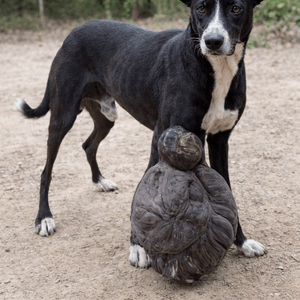
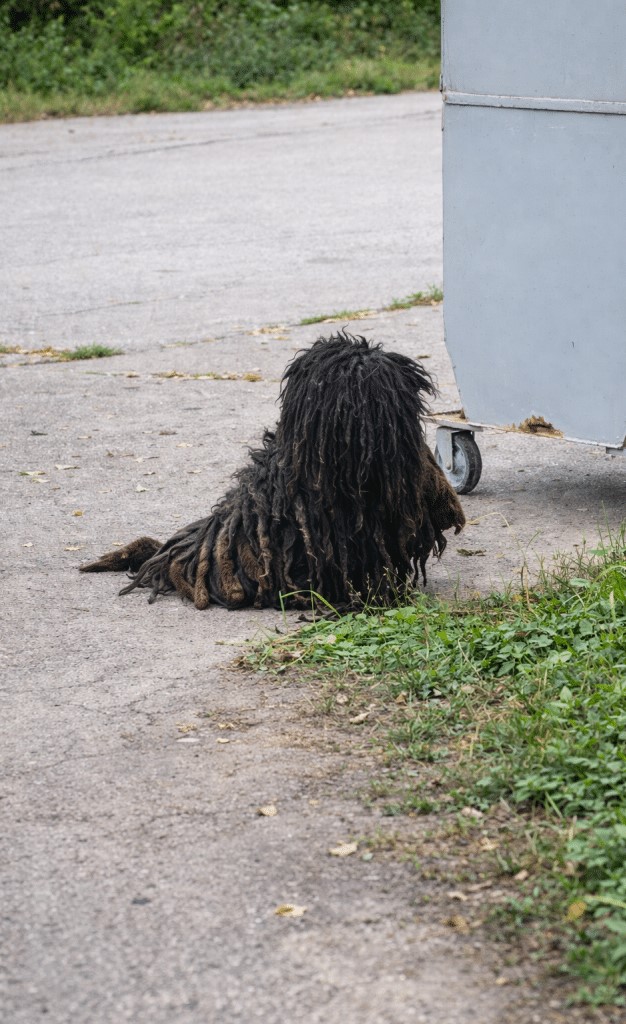
In Serbia, rescuers reportedly noticed what initially appeared to be a dark mass of tangled material moving along the ground. When they approached, they realized a dog was underneath it.
His long black coat had become severely matted.
Heavy mats can interfere with comfortable movement and make ordinary grooming nearly impossible. They can also hide skin problems and trap moisture or debris close to the body. Severe matting should therefore be handled carefully, particularly when it sits tightly against sensitive skin.
The frightened dog did not understand that people wanted to help him.
According to the rescue account, he repeatedly moved away whenever rescuers approached. It took more than two hours of patient effort before they could safely bring him into care.
That patience mattered.
Chasing a frightened animal aggressively may increase panic and create additional safety risks. Calm movements, appropriate equipment, experienced handlers, and time can often produce a safer outcome.
Grooming Becomes Part of His Recovery
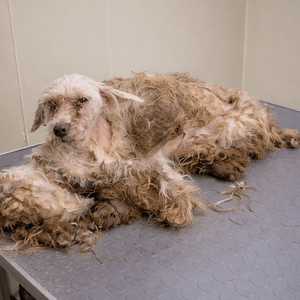
At the clinic, caregivers carefully removed the dense mats.
Beneath them was a much smaller dog, reportedly a poodle mix.
For a severely matted animal, grooming is more than a cosmetic service. Removing restrictive coat material can improve comfort and make it easier for veterinary professionals to evaluate the skin underneath.
The process should still be performed carefully.
Matted hair may sit extremely close to the skin, making ordinary scissors risky. Depending on the dog’s condition and level of fear, professional grooming or veterinary assistance may be the safest option.
Once the excess coat was gone, this dog’s transformation extended beyond appearance.
He gradually became more comfortable around people.
The animal who had previously avoided human contact reportedly began enjoying gentle affection and even rolling over for belly rubs. Eventually, he learned to walk calmly on a leash.
According to his story, his next chapter took him to a new life in England.
Trinity Arrives Overwhelmed by Fear
The second story involves Trinity, a young German Shepherd who responded to her surroundings very differently.
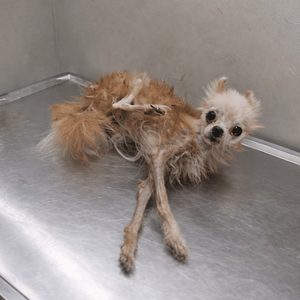
At the shelter, Trinity reportedly remained pressed against the floor and showed little willingness to move. Staff sometimes needed to carry her outside.
Behavior like this should not automatically be interpreted as stubbornness.
A frightened dog may freeze rather than run or defend herself. Freezing can be a response to overwhelming stress, especially in an unfamiliar environment filled with new smells, sounds, people, and animals.
Trying to force immediate interaction may make the situation more difficult.
Trinity needed another approach.
That approach arrived on four paws.
Another Puppy Helps Trinity Explore
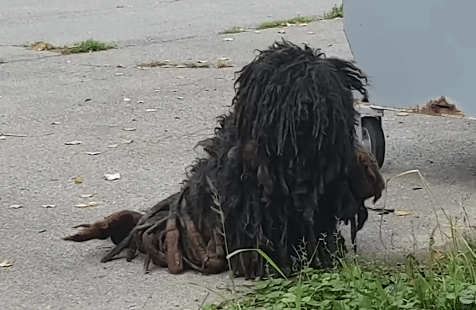
Trinity met Topaz, a confident and playful puppy.
The relationship reportedly changed how she responded to her surroundings.
Topaz explored.
Trinity watched.
Topaz played.
Eventually, Trinity participated.
Dogs can sometimes gain confidence from calm, socially appropriate companions. A relaxed dog may provide useful behavioral information about an unfamiliar environment. If the other dog is comfortable approaching a person or investigating a new space, a nervous dog may become curious enough to follow.
This does not mean every fearful dog should immediately be introduced to another animal. Compatibility, health, temperament, supervision, and careful introductions remain essential.
For Trinity, however, Topaz reportedly became an important companion.
Slowly, she began standing and moving more freely. Running and tail wagging followed.
A dog who once appeared overwhelmed by her surroundings was discovering that movement could lead to play rather than uncertainty.
Trust Cannot Be Rushed
One particularly meaningful development came when Trinity reportedly began voluntarily exposing her belly during relaxed interactions.
Body language must always be interpreted in context, because a dog rolling over can communicate different things depending on posture and circumstances. In a comfortable setting, however, loose and relaxed behavior can indicate growing confidence.
Trinity’s caregivers allowed that confidence to develop naturally.
This principle is important for anyone adopting a nervous rescue dog.
You do not need to win a frightened dog’s affection on the first day.
Give the dog somewhere quiet to rest. Establish predictable meal and walking schedules. Avoid overwhelming introductions. Allow voluntary approaches, and reward calm curiosity.
Trust is less like opening a door and more like building a bridge.
Every positive interaction adds another piece.
Meeting a Potential Family
According to Trinity’s story, her meeting with the family who would adopt her lasted approximately three hours.
That extended introduction gave everyone time.
Instead of expecting an immediate connection, the family could observe Trinity and allow her to investigate them at her own pace.
This kind of patience can be particularly valuable when adopting shy dogs.
A shelter environment does not always reveal an animal’s complete personality. Stress can suppress normal behaviors, while a quiet home may reveal a very different dog after an adjustment period.
Adopters should therefore think beyond the first few minutes.
The frightened dog standing at the back of a kennel today may eventually become the companion sleeping comfortably beside someone on the sofa.
Shania Faces Winter While Pregnant
The third dog, Shania, had another challenge.
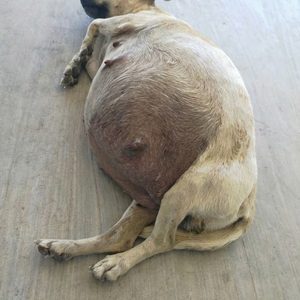
She was reportedly heavily pregnant as severe winter weather approached.
Rescuers wanted to help, but Shania was frightened of people and repeatedly avoided their attempts to approach her.
Forcing contact could have increased her stress.
Eventually, according to the rescue account, she found temporary shelter and gave birth. Rescuers were then able to bring the family into safer conditions.
Pregnant and nursing dogs require particular attention.
They need suitable nutrition, access to clean water, a warm and quiet environment, and veterinary monitoring. Newborn puppies also depend heavily on their mother for warmth and nourishment during their earliest stage of development.
Once Shania and her puppies were protected, caregivers could begin addressing another challenge: helping their mother feel safe around humans.
Food Becomes a Bridge
Shania initially remained watchful.
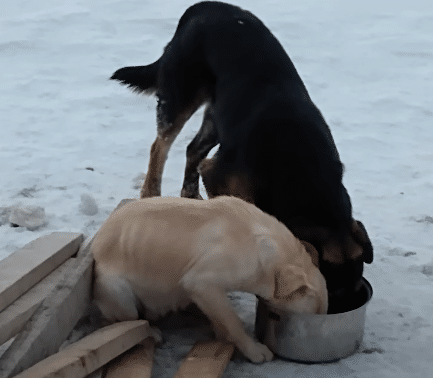
Instead of demanding affection, her caregivers reportedly used food, routine, calm voices, and gradual leash work to develop a relationship.
Food can be useful in positive reinforcement because it helps create pleasant associations.
The principle is simple.
A person appears, and something good happens.
The person respects the dog’s space.
Nothing frightening follows.
Repeat that experience enough times and the emotional meaning of human presence may begin to change.
But another dog eventually played an especially important role in Shania’s progress.
Otis Shows Her Another Way
Otis, a relaxed Basset Hound, reportedly became one of Shania’s closest companions.
His calm behavior appeared to help her become more comfortable in the home.
Shania began playing and showing increasing enthusiasm around him. According to the account, she became especially excited when Otis woke up and was ready to interact.
For a dog previously focused on protecting herself and her puppies, play represented meaningful progress.
Play requires a certain amount of emotional freedom.
An animal constantly worried about immediate safety has little reason to chase, bounce, explore, or initiate games.
Shania was discovering that her environment no longer demanded constant vigilance.
Why Predictable Routines Help Rescue Dogs
All three stories demonstrate the value of consistency.
Dogs cannot understand explanations about why they were rescued or what tomorrow will bring.
They learn through repeated experiences.
Meals arrive at predictable times.
Walks follow familiar patterns.
Beds remain in safe places.
People use calm voices.
Nobody forces unwanted interaction.
Over time, repetition can make an unfamiliar environment easier to understand.
Owners can support newly adopted dogs by keeping the first days relatively simple. A parade of visitors, immediate trips to crowded locations, or constant handling may be overwhelming.
Sometimes the kindest welcome is a quiet one.
Let the dog sleep.
Let her observe.
Let him approach.
There will be time for adventures later.
Recovery Is More Than Physical Transformation
Before-and-after photographs naturally attract attention because physical differences are easy to see.
A tangled coat becomes clean.
A thin dog gains appropriate weight.
A frightened expression becomes relaxed.
But emotional progress may be even more significant.
The first voluntary approach matters.
So does the first peaceful nap in an open room.
The first playful invitation matters.
The first relaxed walk matters.
These moments may never look dramatic on camera, yet they reveal that an animal’s relationship with the world is changing.
That was the common thread connecting these three dogs.
Their caregivers created enough safety for their personalities to emerge.
Summary
These three rescue stories demonstrate that bringing a dog to safety is often only the first stage of recovery.
In Serbia, a small dog was reportedly found beneath an extremely matted black coat. Patient rescuers eventually brought him into care, where professional grooming removed the restrictive fur. Over time, he became comfortable with affection and leash walking before reportedly beginning a new life in England.
Trinity, a frightened German Shepherd puppy, initially struggled to move confidently in the shelter. Her relationship with a playful puppy named Topaz reportedly encouraged her to explore, run, play, and interact more comfortably. A patient introduction later helped prepare her for life with an adoptive family.
Shania faced a different challenge while pregnant during severe winter conditions. After reaching safety with her puppies, she gradually learned to become more comfortable around people through predictable routines and positive experiences. A relaxed Basset Hound named Otis reportedly became an especially important companion.
None of these dogs needed to erase the past before enjoying the future.
They needed appropriate care, safe environments, compatible companionship, and people willing to respect their individual pace.
Sometimes recovery is not a spectacular leap forward.
Sometimes it is a frightened dog taking one voluntary step closer, discovering that nothing bad happens, and deciding tomorrow to take another.